Dive into the ins and outs of radio to commemorate World Radio Day—from its fascinating history and various formats, right down to the real-world examples.
Radio was once one of the most crucial mass media platforms. Its functions varied wildly, from a simple medium for delivering information to a sheer source of entertainment. During World War II, naval fleets used radio to send telegraph messages using Morse code between ships, and even to search for aircraft coordinates. As time passed, various creative formats began to emerge, including commercial radio programs that adopted similar concepts.
Let’s take a nostalgic trip: do you remember the golden era of Prambors—a legendary Indonesian youth radio station, back when it still had the word Rasisonia attached to its name? It was the ultimate source for everything from Top 40 hits to the most anti-mainstream tracks, giving you the perfect inspiration to curate a mixtape for your crush. On top of that, there was a popular broadcast format called Titip Salam (Send Regards), a beloved segment that allowed listeners to send shoutouts and dedicate songs to their loved ones on air. We at Written can’t help but reminisce about the days of tuning into a radio broadcast, getting completely absorbed in the host's topic, and slowly drifting off to sleep.
However, nowadays, only a handful of people still listen to the radio in their free time. This is especially true with the explosion of podcasts and music streaming services. It often feels like the radio is only turned on in the car while battling through traffic jams. So, is radio still relevant in an era where cutting-edge technology rules? It seems this question was anticipated well in advance by the members of the United Nations Educational, Scientific and Cultural Organization (UNESCO). An idea sparked as an appreciation and preservation effort for radio was eventually approved by the United Nations (UN). Consequently, February 13, 2012, was officially declared World Radio Day.
As part of the commemoration of World Radio Day, which is entering its 11th year, Written wants to invite you to understand radio in a more comprehensive light. Let’s dive deeper!
The History of Radio
Let's step back in time for a brief history of the radio. The radio was first invented in 1896 by Guglielmo Marconi. This invention was driven by the need to use a dual-circuit wireless telegraph to facilitate the exchange of information. Patented by the Italian scientist in 1897, this invention did not yet fully resemble the radio we know today. Over time, the technology evolved after being further developed by John Ambrose Fleming in 1904. The English engineer integrated the device into an audio tube that functioned as a signal receiver.
Two years later, Dr. Lee de Forest optimized the device's performance by combining three different components into what was called the audion triode. Interestingly, although Guglielmo is known as the inventor of this essential device, it was Dr. Lee who earned the nickname “The Father of Radio” thanks to the rapid developments he spearheaded. Even so, this Amplitude Magnifier (AM) frequency radio could hardly be called perfect due to the weak signals it captured.
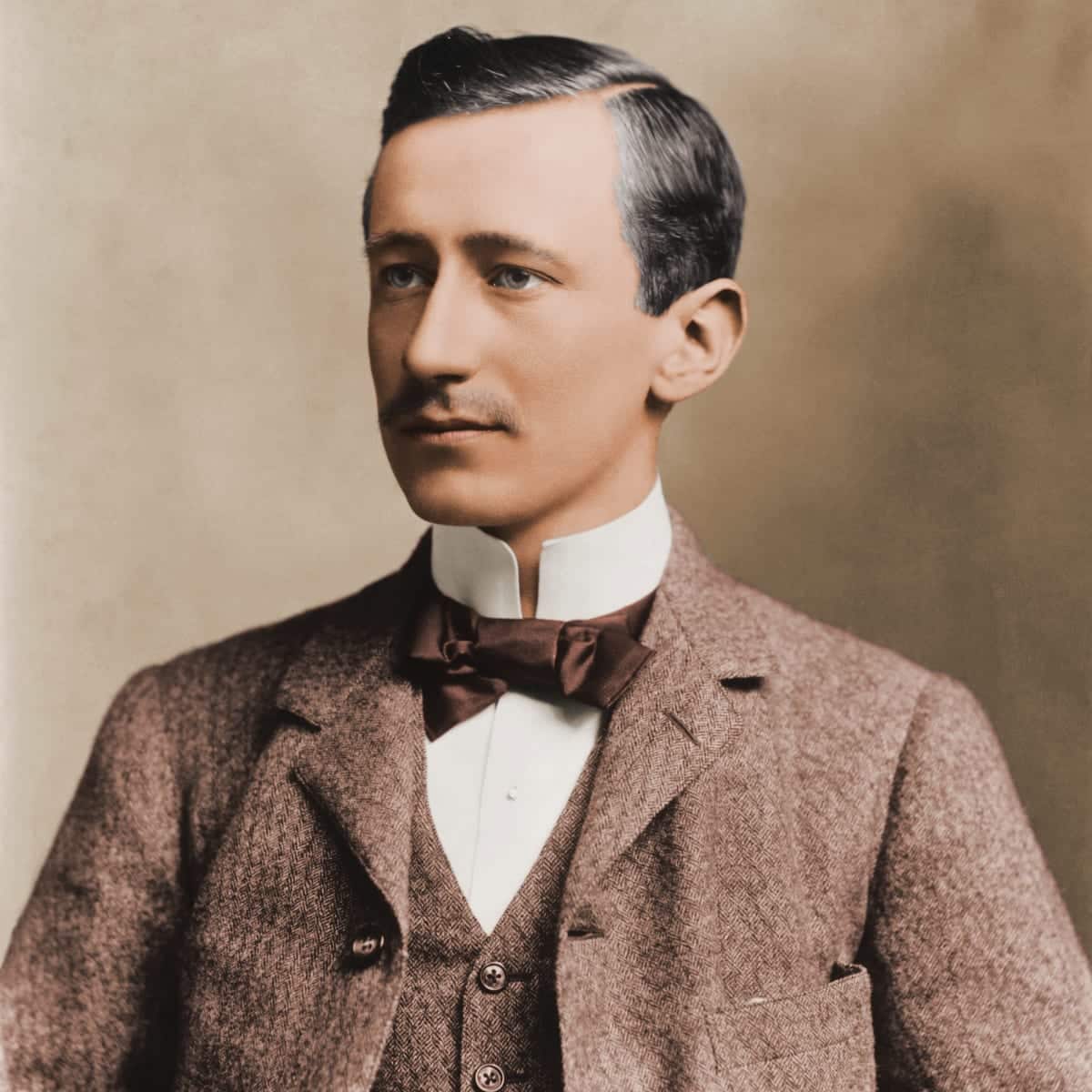 Guglielmo Marconi, the Italian scientist who invented radio technology
Arguably, 1912 marked a crucial milestone in the conception of radio. It was Edwin Howard Armstrong, an electrical engineer from the United States, who successfully created the radio amplifier. With the ability to capture and send back signals from radio transmissions, this device allowed the audio output to be much louder. Edwin also played a pivotal role in inventing the FM (Frequency Modulation) format to smooth out signal transmissions, ensuring that the broadcasted and received sound could be heard crystal clear.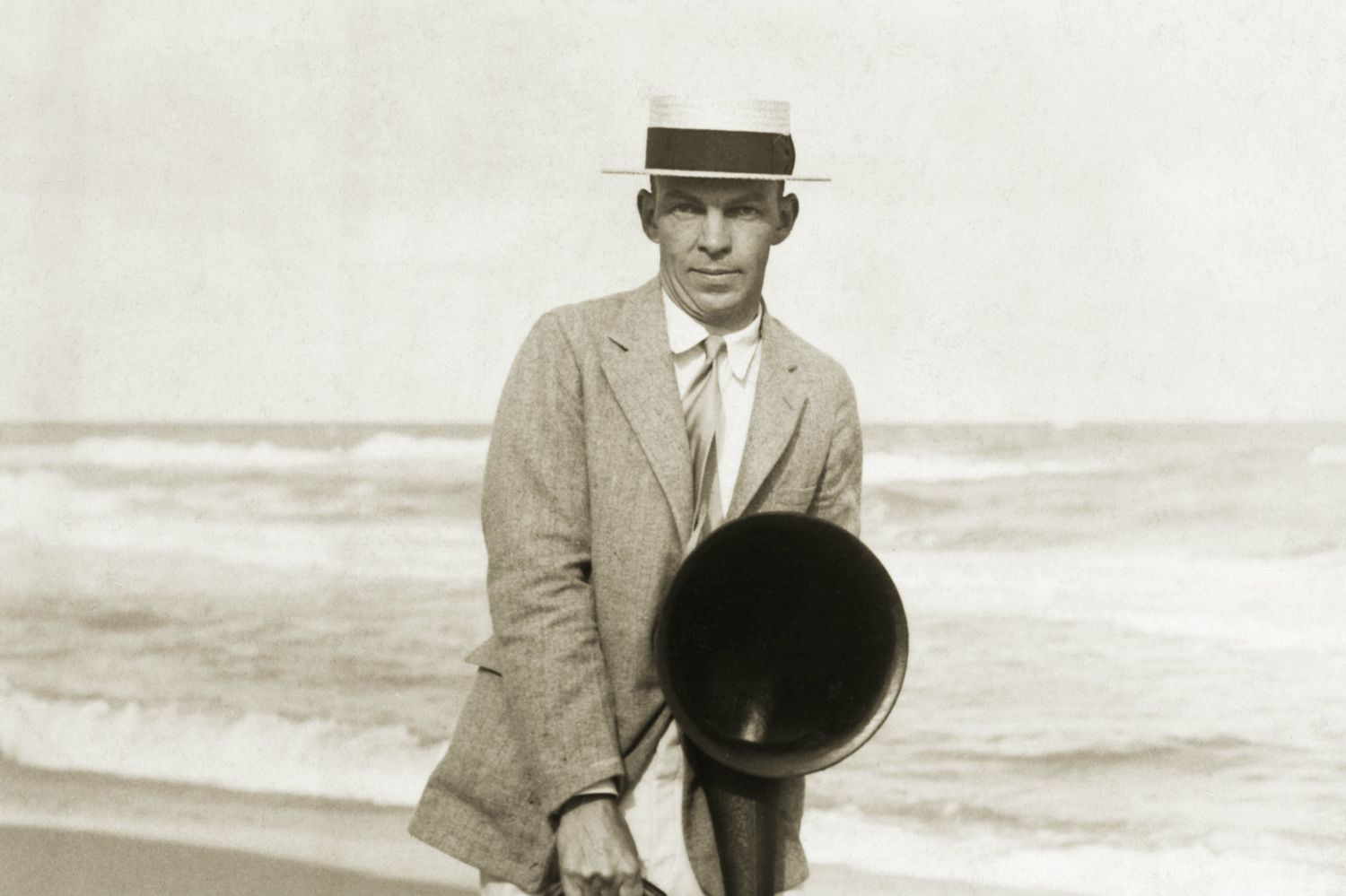 Edwin Howard Armstrong, the American electrical engineer who invented the radio amplifier
Interestingly, this idea was not well received by the public at first, largely due to the economic instability of the era. Persisting through the struggle, Edwin established the first FM radio station out of his own pocket in 1940. After finally gaining a positive response in the 1960s, radio successfully secured a place in the public's heart, sparking massive enthusiasm with the emergence of thousands of stations worldwide since its early conception.
Anyone who has ever been involved in the innovations leading to the realization of radio surely understands the sheer complexity of the process and experimentation behind it. We had to continuously rely on instinct and reason rather than relying on mathematical calculations.
Edwin Howard Armstrong
Types of Radio
Although they share a similar primary utility—delivering information through the medium of sound—radios come in several different types distinguished by their modulation and transmission formats. Let’s explore them one by one.
1. Radio AM (Amplitude Modulation)
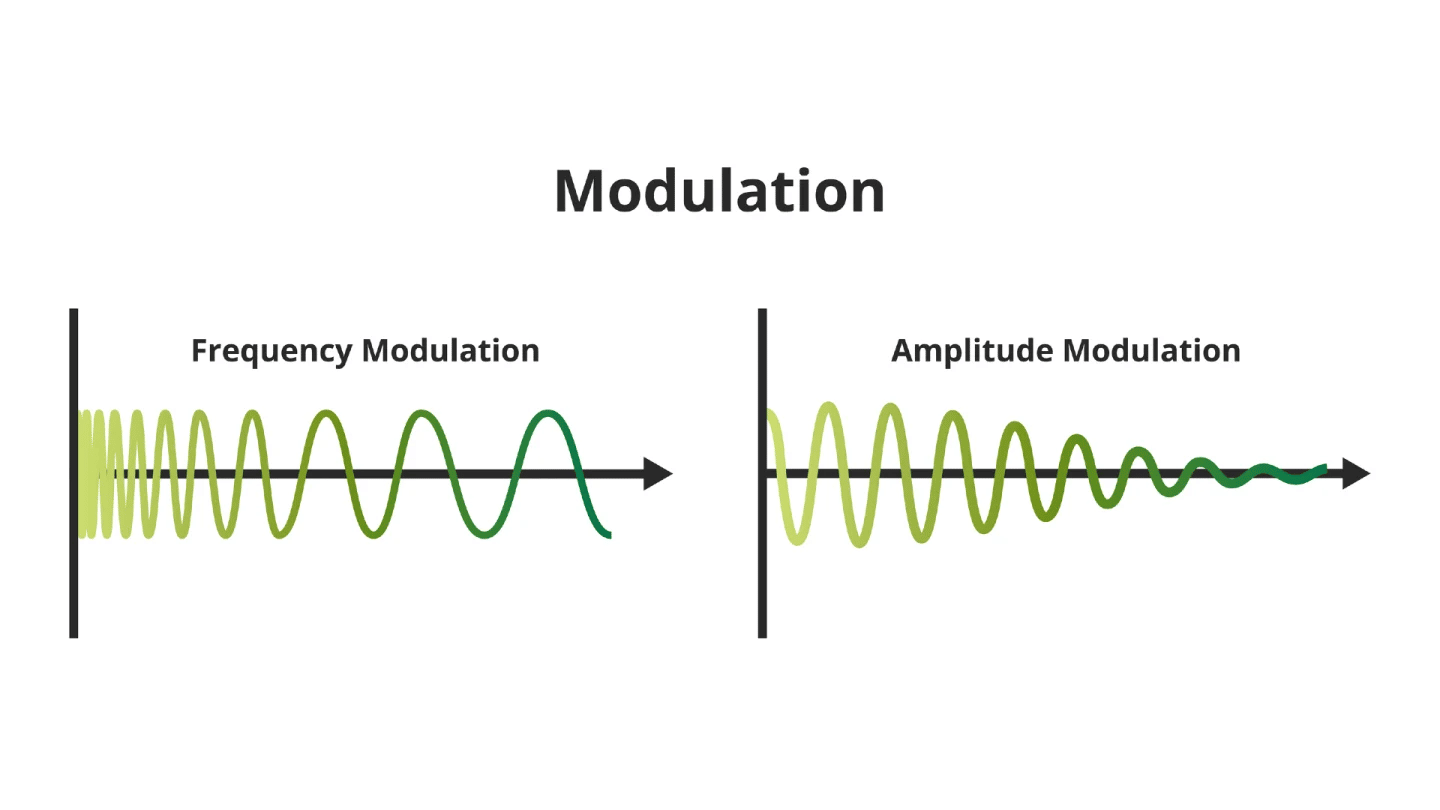
True to its name, this format works by modulating two waves with constant amplitudes: radio and audio. Even though it was initially only used to transmit wireless telegraph messages, the resulting sound quality and signal reception were still far from optimal. The sound transmission process was also relatively slow, which is why this frequency is quite rarely used by modern commercial radios. In 1920, the world's first commercial AM radio station, KDKA, was established. Subsequently, a number of other famous radio stations began to pop up, such as NBC (National Broadcasting Radio) in 1926 and CBS (Columbia Broadcast System) in 1928. Looking at the national context, here are a few commercial AM radio stations in Indonesia: Radio Safari (1134 AM), RRI Jakarta (999 AM), and Radio Benda Baru RBB (954 AM).
2. Radio FM (Frequency Modulation)
FM radio operates by changing the frequency of radio waves to follow the sound-carrying waves. As mentioned earlier, FM radio emerged as the refined successor to AM radio—specifically in terms of signal reception and audio output. Since skyrocketing in popularity in 1960, almost all commercial radio stations have adopted this system. Here are some of the iconic commercial FM radio stations in Indonesia: Hard Rock FM Jakarta (87,6 FM), RRI Jakarta Pro 1 (91,2 FM), Kis FM (95,1 FM), Cosmopolitan FM (90,4 FM), Prambors FM (102,2 FM).
3. Satellite Radio
Radio continues to transform, evolving into various other formats. One of them is Satellite Radio, which operates using digital signals. Unlike analog AM and FM radio signals, the standout feature of this format is the vast coverage area achieved by utilizing satellites. Even so, satellite radio has its drawbacks; its signals can be hard to catch when blocked by towering skyscrapers. Satellite radio is also less commonly used because the hardware remains relatively expensive and requires an active subscription system to operate.
4. Radio HD (Berfrekuensi Tinggi)
Next up is high-definition radio, which works by blending analog and digital radio. This format allows digital and analog stations to share the exact same frequency simultaneously, boosting the efficiency of radio broadcasts thanks to its superior quality. Although it doesn't require a paid subscription like satellite radio, this system still demands specialized hardware to receive the digital signals that will later be transmitted.
That wraps up our comprehensive deep dive into the ins and outs of radio. So, will you take a brief break from your favorite podcasts to tune in to a radio broadcast and commemorate World Radio Day? With the conversation starters Written just gave you, you're guaranteed to be the most fluent person in the room when the topic of radio comes up!