May is Mental Health Awareness Month, and as it turns out, art is one of the best ways to nurture our mental well-being.
May is Mental Health Awareness Month, and as it turns out, art is one of the best ways to nurture our mental well-being.
Can art actually help heal our mental health?
For painter Edvard Munch, art served at least as a medium to explore his own psychological state. The Norwegian Symbolist painter gained global acclaim for his most iconic masterpiece, The Scream (1893)—a work that continues to resonate deeply today as the ultimate visual expression of a soul's inner turmoil.
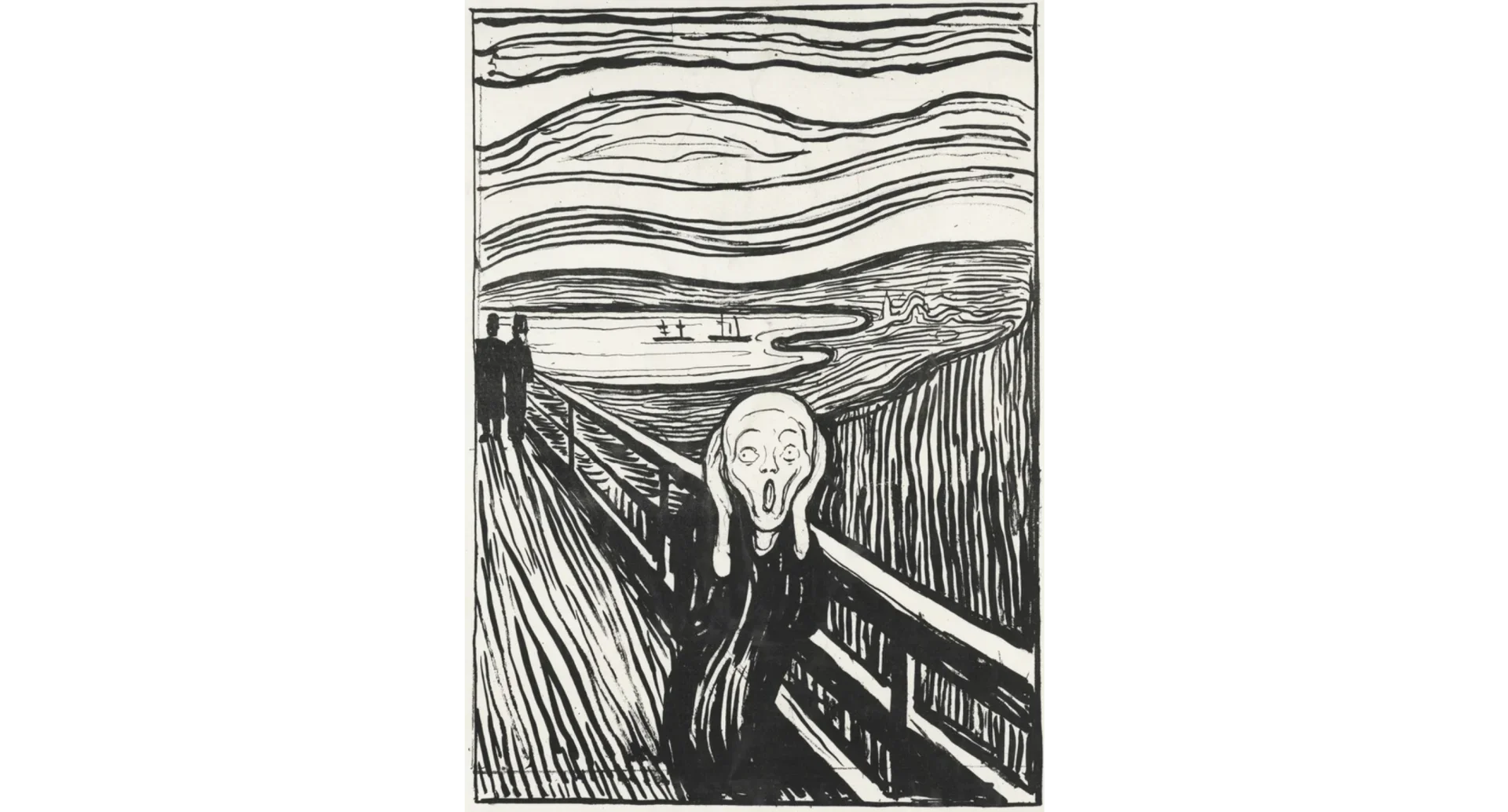 Edvard Munch, “The Scream”, 1893
Foto: Artsy
Edvard Munch, “The Scream”, 1893
Foto: Artsy
Munch once explained, “The study of the soul, that is to say the study of my own self.” Munch, who inherited a family history of mental illness from his father's side, painted The Scream while taking an evening stroll. As he watched the sky turn blood-red, he felt as though he could hear the "scream of nature."
That scream likely originated from within his own head, but through the medium of art, he was able to give shape to what he felt.
There’s no denying that art acts as a vital outlet, giving form to complex emotions: joy, sadness, anxiety, anger, and frustration. These are feelings that many find difficult to express—and explore—for a variety of reasons, such as the growing sense of isolation triggered during the pandemic when our movement outside the home was restricted. Having an outlet or medium where we can channel those feelings—onto a canvas, a sheet of paper, or through a musical instrument—is clearly ideal for anyone starting to feel the strain on their mental health.
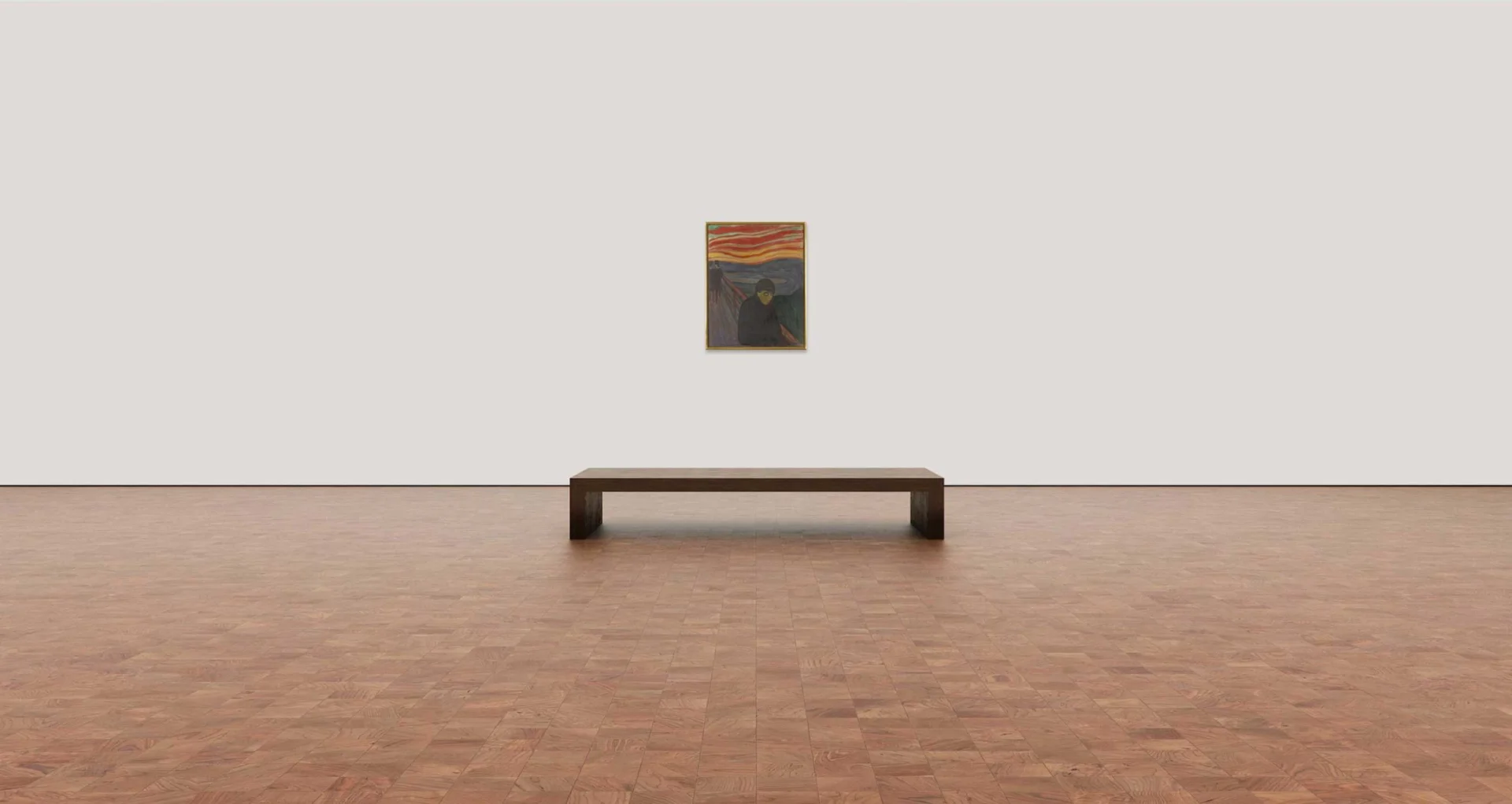
On the other side, art also serves as a mirror reflecting the inner turmoil and emotional struggles of its creator. As seen with Munch (and other classic masters like Picasso and Monet), another one of his paintings titled Despair (1894) consistently mirrors his mental state at the time of its creation.
What is clear is that, alongside medical treatment, art can make a massive contribution to mental well-being. Engaging in art allows people to confront poor mental health and psychological stress head-on. Art has a way of healing through creativity, offering artists a way to express themselves without relying on words.
Another key benefit of art for mental health is its ability to cultivate mindfulness, which plays a crucial role in keeping us aware and attuned to our thoughts, feelings, and external triggers that could impact our mental well-being. Mindfulness grounds our focus on the shapes, colors, textures, and inspiration driving the artwork we want to create.
Hand in hand with mindfulness, art empowers practitioners to process whatever emotions they are currently experiencing—and channel them directly into their work. Numerous studies have proven that engaging in art making is a powerful way to reduce stress, thanks to repetitive physical movements like painting, drawing, sculpting, and writing.
In short, art can be a powerful tool for improving mental health. Even Edvard Munch in his later years began producing brighter, more optimistic paintings (though this was also aided by quitting alcohol and undergoing therapy). For Munch, the key was openness and honesty about what he was going through.
“I do not believe in the art which is not the compulsive result of Man’s urge to open his heart.”