Getting a closer look at the art that is constantly present all around us.
Whether we realize it or not, art surrounds us and we can enjoy it almost every day. From the movies we watch and the music we listen to, right down to the musical theater we enjoy at a performance hall. But if you really think about it, do we actually understand the meaning of the word "art" itself?
The Meaning of Art
If we look at the Kamus Besar Bahasa Indonesia (KBBI - Great Dictionary of the Indonesian Language), art (seni) means the skill of creating high-quality works (judged by their refinement, beauty, and so on). The definition of seni in KBBI also refers to works created with extraordinary skill, such as dance, paintings, and carvings.
Next, let's look at it from the English perspective. The word "art" means the expression or application of human creative skill and imagination, typically produced in a visual form, whose beauty and emotional power can be appreciated. The origin of the word seni in Indonesian comes from the Sanskrit word sani, which means worship, offering, and service. Meanwhile, the English word "art" comes from the Latin word artem, meaning skill, which is usually used to describe the quality or expression of something beautiful or of great significance.
As it turns out, philosophers and the world's brightest minds have long debated how to define art. Because based on the definitions above, explaining art also means having to explain the principles of aesthetics. How do we determine if an object deserves to be called art? According to an article on ThoughtCo., the general definition of art can be divided into three categories: representation, expression, and form.
Art as Representation
Plato once said that art is a representation or an imitation of something beautiful or meaningful. So, roughly until the end of the 18th century, a good piece of art was usually considered one that could depict its subject with high accuracy. It reminds us of watching historical films, where the paintings on display usually feature landscapes or portraits of esteemed figures.
Art as Expression
Art is also defined as expression. This refers to art that elicits an emotional response from the viewer. It's not just the artwork that matters; we, as the audience enjoying it, also play a crucial role. To this day, artworks are still used to provoke the emotions of their audience.
Art as Form
Much like representation, this definition of art was also shaped by the renowned philosopher, Immanuel Kant. The German philosopher believed that we shouldn't judge art by its concept, but rather by the resulting combination of its formal elements and principles.
Looking at the breakdown of art's meaning above, we can clearly see that history plays a significant role in defining what art is. Social context, behavior, time, location, and environment all help define art.
Elements and Principles of Art
 Photo: Shutterstock.com
Just like producing a great dish requires the right ingredients and cooking methods, art can never be separated from the elements and principles that shape it. The elements of art can be likened to the ingredients for making art, while the principles of art are the methods of processing those ingredients.
Seven Elements of Art
Color
The three components of color: hue (the color itself), value (the lightness and darkness when mixed with white and black), and intensity (the brightness and purity of the color).
Form
This element is three-dimensional, or it can be two-dimensional but appear to have three dimensions. This element has depth and volume.
Shape
A two-dimensional art element, flat, and defined by length and width.
Line
A mark on a surface that has a beginning and an end, creating space in the process.
Space
The area between, around, above, below, or within other elements. Space can create depth (background, middle ground, and foreground). Negative space is the empty area, while positive space is the area occupied by other elements.
Texture
The element that determines how the composition of other elements feels, or looks as though it would feel if touched.
Value
The value of an artwork can be determined by various factors, including the other elements mentioned above.
Eight Principles of Art
Rhythm
Rhythm is created by the variation and repetition of elements in an artwork. They come together to create a visual tempo.
Harmony
Harmony is achieved when elements come together in a unified way.
Balance
Elements are combined to provide balance or stability to an artwork. This is usually demonstrated through symmetrical or asymmetrical properties.
Contrast
This area is usually the first thing noticed in an artwork. Elements are typically combined to highlight their differences.
Movement
Movement is used to create action within an artwork, guiding the viewer's eye to explore the piece.
Pattern
The uniform repetition of one or several elements.
Proportion
The relationship of the artwork's elements as a whole and to one another.
Variety
Introduced by using various colors, sizes, and shapes within the artwork.
The Purpose and Function of Art
 Photo: Shutterstock.com
Just like the definition of art, the purposes and functions of art are also incredibly diverse throughout the history of its existence. The purposes of art can also be divided into several categories. But to make it easier for us to understand the purpose of art, there are three main functions we need to know: physical, social, and personal.
Physical Function
The physical function of art is the easiest to understand. There are artworks created to be enjoyed physically. Some examples include architecture, furniture, product design, and interior design.
Social Function
The social function of art refers to art that has an effect on the lives of a group of people, rather than just individuals. Artworks that function to drive social movements are usually pieces that respond to an event or a circumstance. Aside from paintings, the social function of art is usually realized through photography. For instance, when you and your friends are moved to start a charity group after seeing a heartbreaking photo of a post-disaster scene.
Personal Function
If the social function influences many people, the personal function affects each individual. Because it is deeply personal, this function is the hardest to explain. An artwork can deliver different impacts or effects for everyone who sees or experiences it. Looking at a dog-shaped sculpture, for example. It might make you feel nostalgic, remembering a childhood pet, or it might instead trigger trauma from an unpleasant past experience.
Types of Art
Talking about the types of art becomes much easier if we divide them into two major categories: fine art and applied art. Fine art holds aesthetic value meant to be enjoyed, such as paintings, sculptures, and poetry; meanwhile, applied art has an aesthetic side while also serving a specific practical purpose, such as fashion, interiors, and handicrafts.
Previously, we could very easily divide the types of art because their purposes were distinctly different. However, in modern times, the lines and boundaries between the two have blurred. To define it, we have to look at the concept and intention of the artist when creating an artwork, regardless of its form.
Forms of artistic expression can be realized through:
Visual Arts
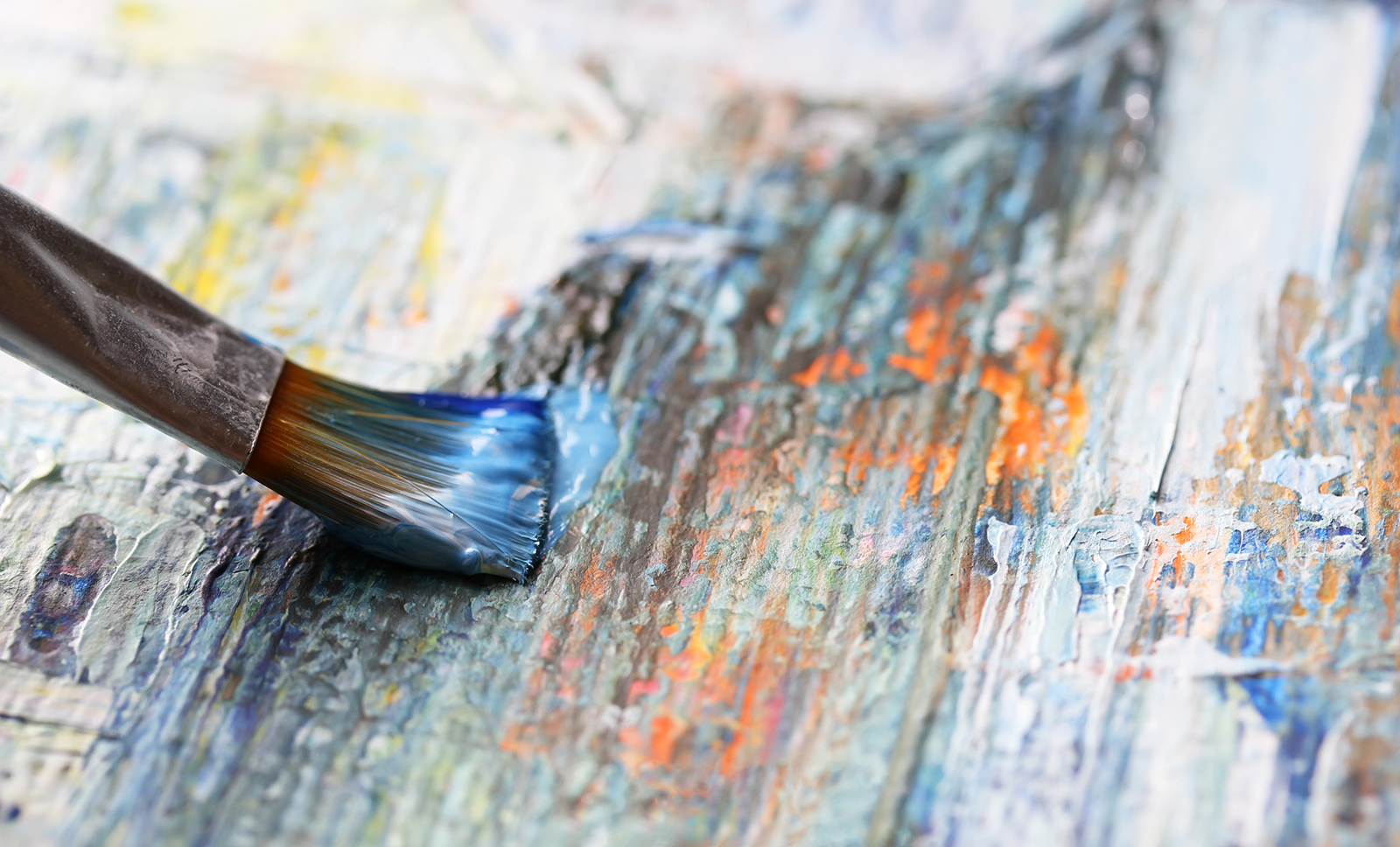 Photo: Shutterstock.com
Visual arts are arts that can be enjoyed visually. Visual arts encompass two-dimensional arts like paintings and drawings, mosaics, calligraphy, photography, and more. Additionally, it covers three-dimensional arts such as architecture, sculpture, pottery, and so on.
Literary Arts
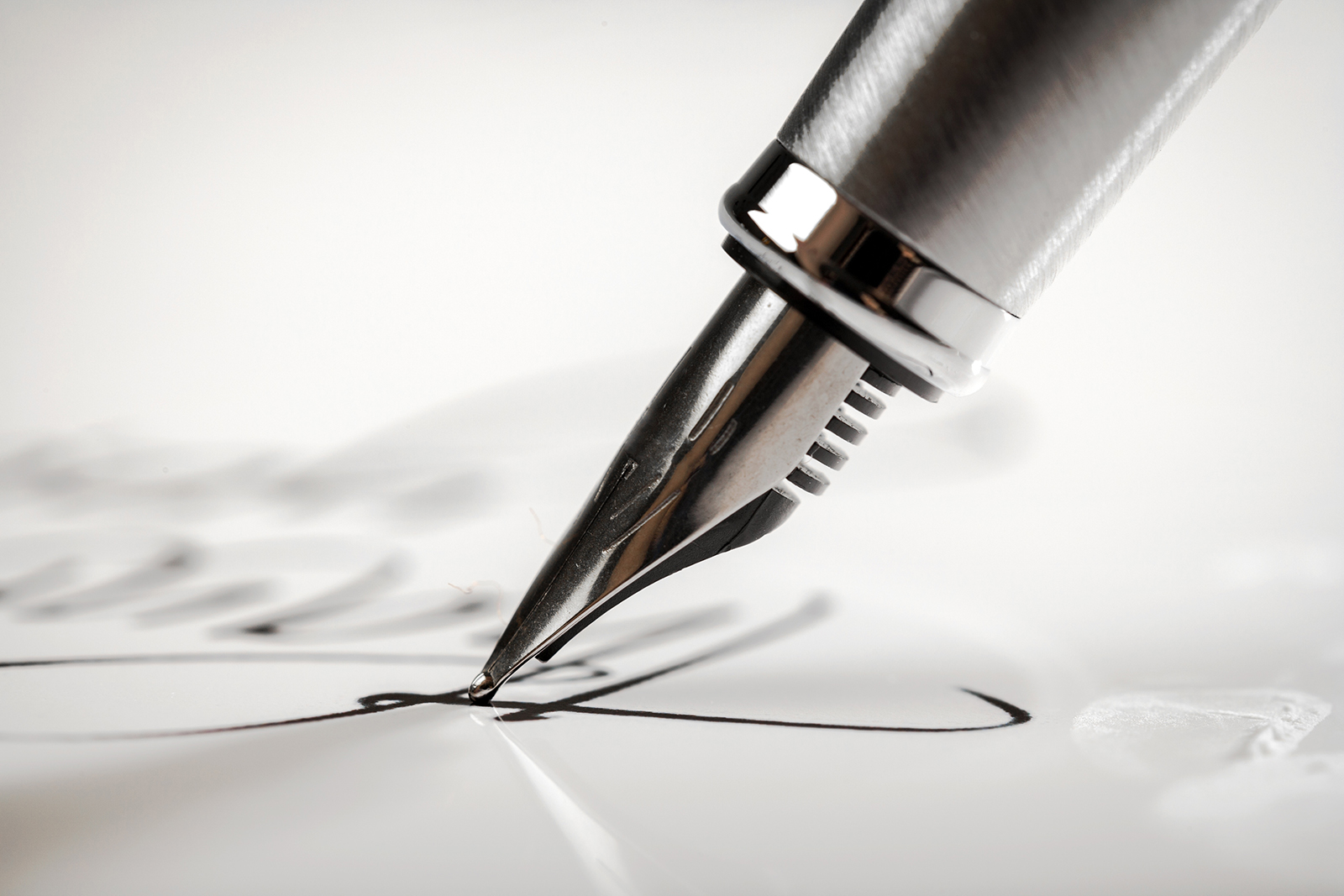 Photo: Shutterstock.com
This is art presented in the form of literature. This art utilizes the aesthetics and rhythmic qualities of language, such as sound symbolism and the beauty within the phonetics of a word. The most common example of literary art is poetry.
Musical Arts
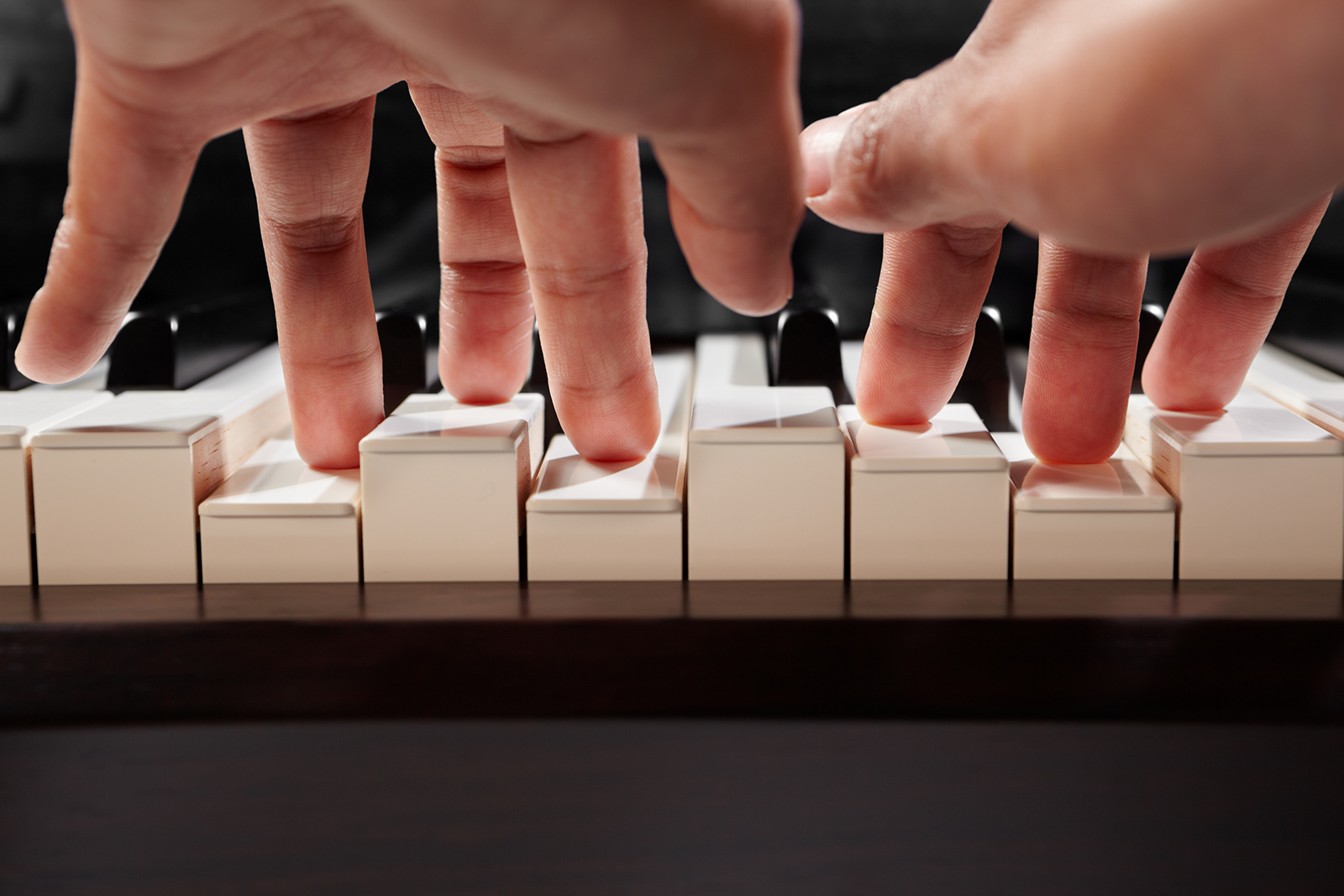 Photo: Shutterstock.com
Sound is the aesthetic source of musical art—whether it's the sound produced by instruments or the human voice. The common elements of musical art are notation (which governs melody and harmony), rhythm (tempo, meter, articulation), dynamics, and the sonic qualities of tone color (timbre and texture).
Performing Arts
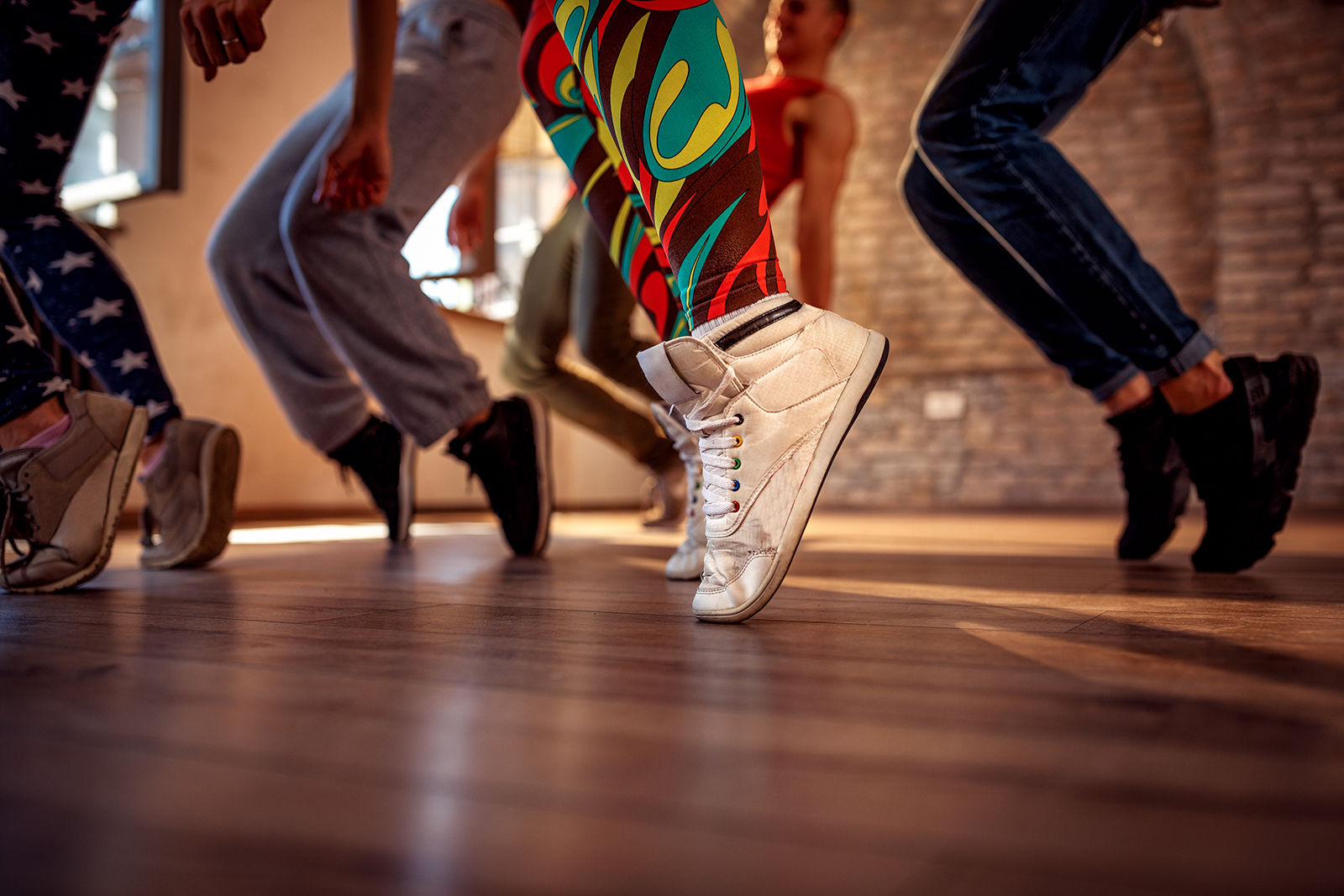 Photo: Shutterstock.com
Performing arts include dance, theater, and film. Therefore, there are an incredible number of elements within the performing arts. Ranging from acting, body movement, and space, to the integration of visual arts, literature, and music.
Quotes About Art
There are plenty of quotes about art that we can use in our daily lives. Whether for work material or simply as a source of inspiration. Here is a selection of lines once spoken by renowned artists around the world that you can quote:
Art is the expression of human feelings that one has experienced, through external signs, and others can feel and live those feelings.
– Leo Tolstoy, author
Art is a lie that makes us realize the truth, at least the truth that is given to us to understand.
– Pablo Picasso, painter
Love of beauty is taste. The creation of beauty is art.
– Ralph Waldo Emerson, author
Art is either plagiarism or revolution.
– Paul Gauguin, painter
You can get away with anything through art.
– Andy Warhol, painter
Art is a discovery and development of elementary principles of nature into beautiful forms suitable for human use.
– Frank Lloyd Wright, architect
Art is not what you see, but what you make others see.
– Edgar Degas, painter
Art resides in the quality of doing, process is not magic.
– Charles Eames, architect
Art is the queen of all sciences communicating knowledge to all the generations of the world.
– Leonardo da Vinci, painter, architect, sculptor
Art evokes the mystery without which the world would not exist.
– René Magritte, painter