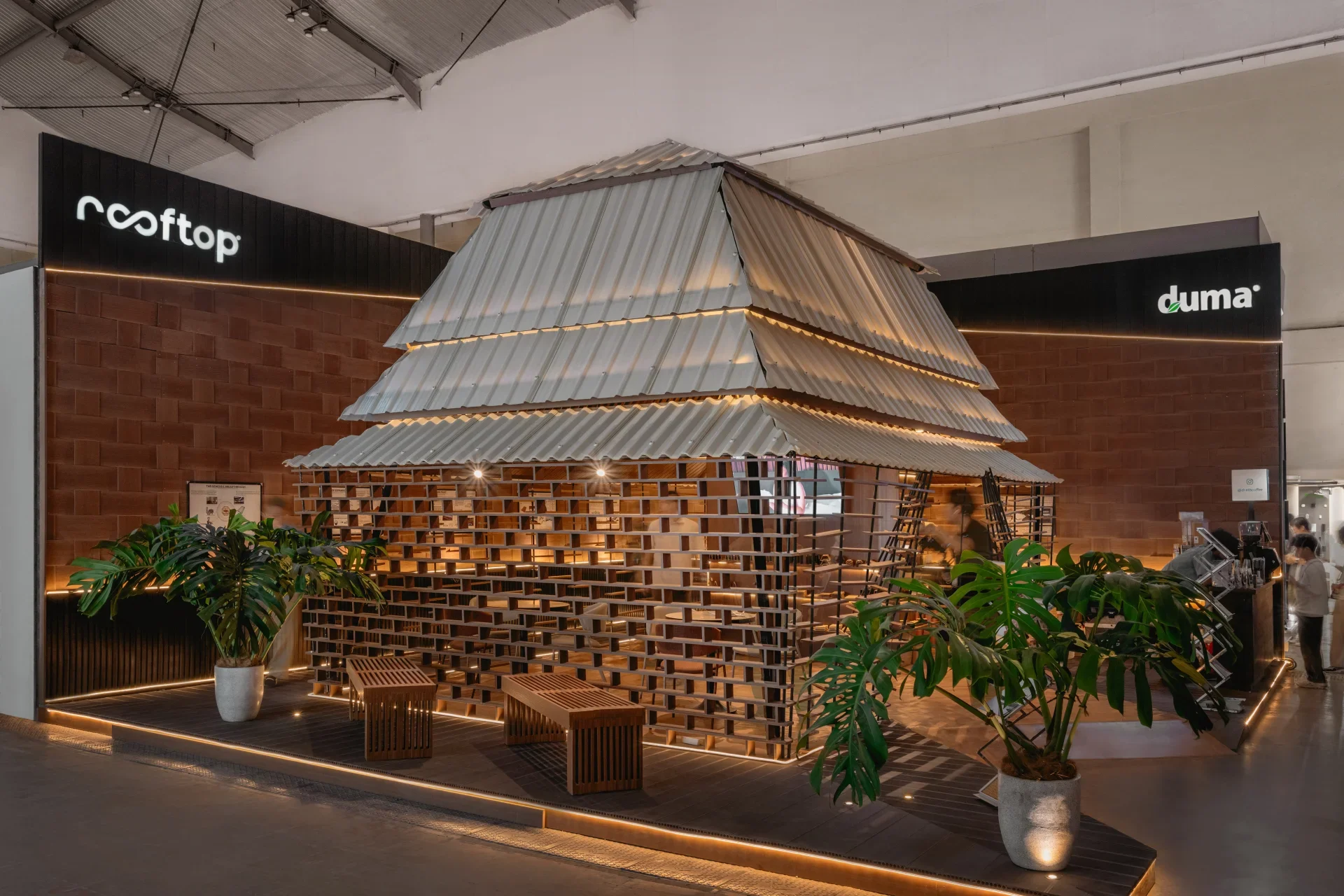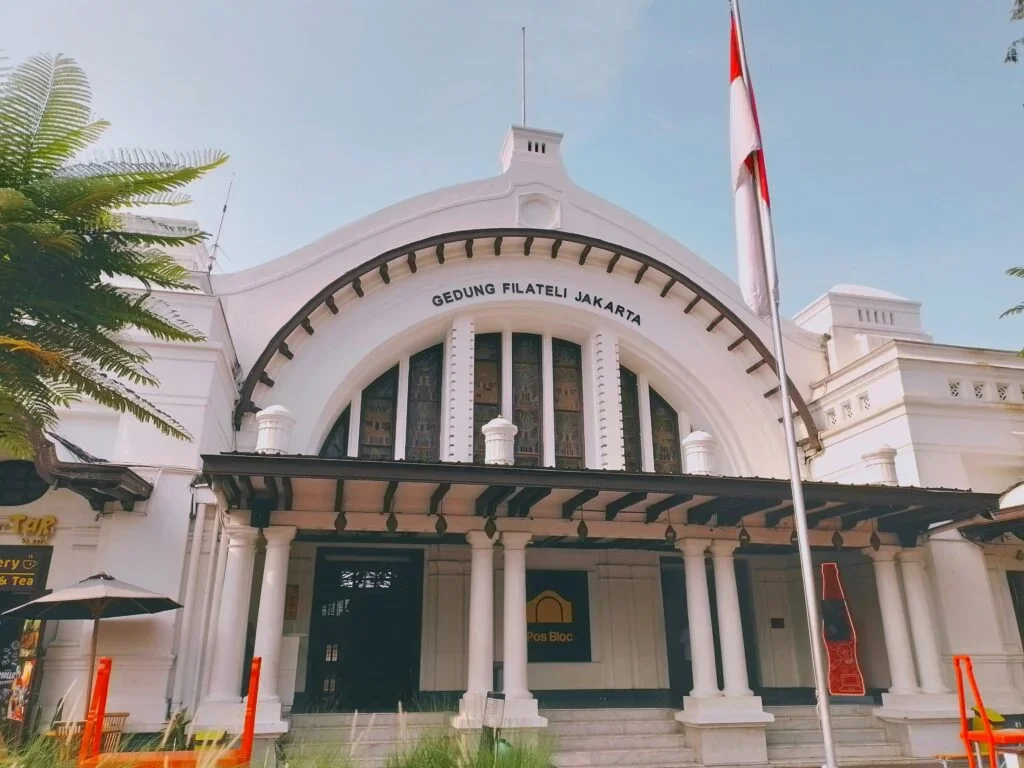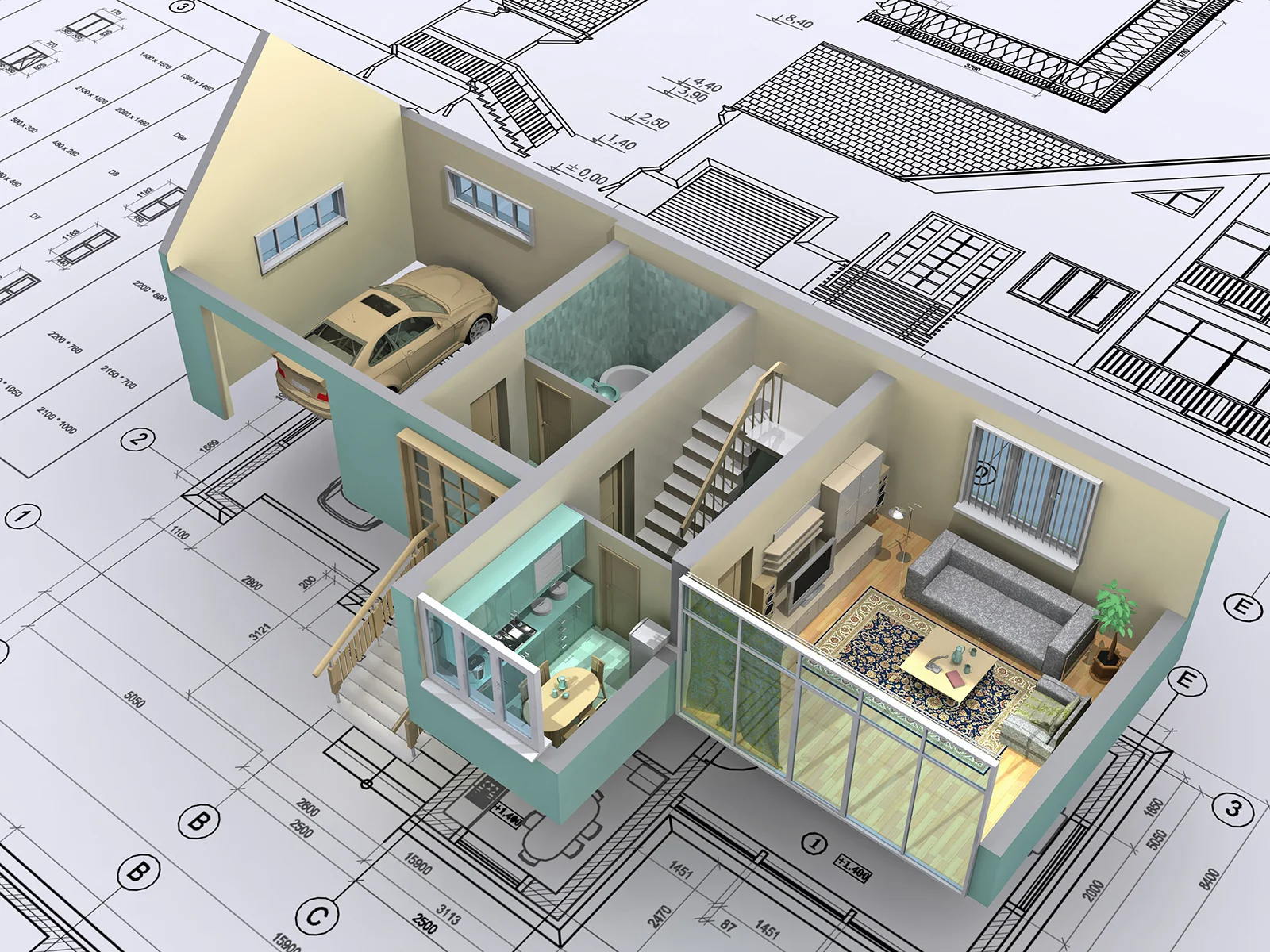
Understanding the meaning, function, and role of Interior Design along with the interior designer profession.
It seems the term "Interior Design" is one of those design phrases we are all incredibly familiar with. Quite a few of us are used to this phrase simply because we've seen billboards or shop signs offering interior design services or... kitchen sets. Right?
In fact, because this term is so commonplace in our daily lives, its usage is often completely misguided. It’s as if the term Interior Design is on par with the act of arranging flowers, blowing up balloons for a birthday party, or even picking out garden lights.
So we don't get our wires crossed anymore, what exactly is meant by Interior Design? What makes it so special? What exactly falls under its scope?
The Definition of Interior Design
Before we go any further, first things first, let's agree on one thing: Interior Design =/= Kitchen Sets. So, after reading this article, hopefully, no one will ever say again, "Interior design is the one who makes kitchen sets, right?".
Alright, then what exactly is Interior Design? Why is it so frequently associated with the services of making kitchen sets, sofas, and various curtains?
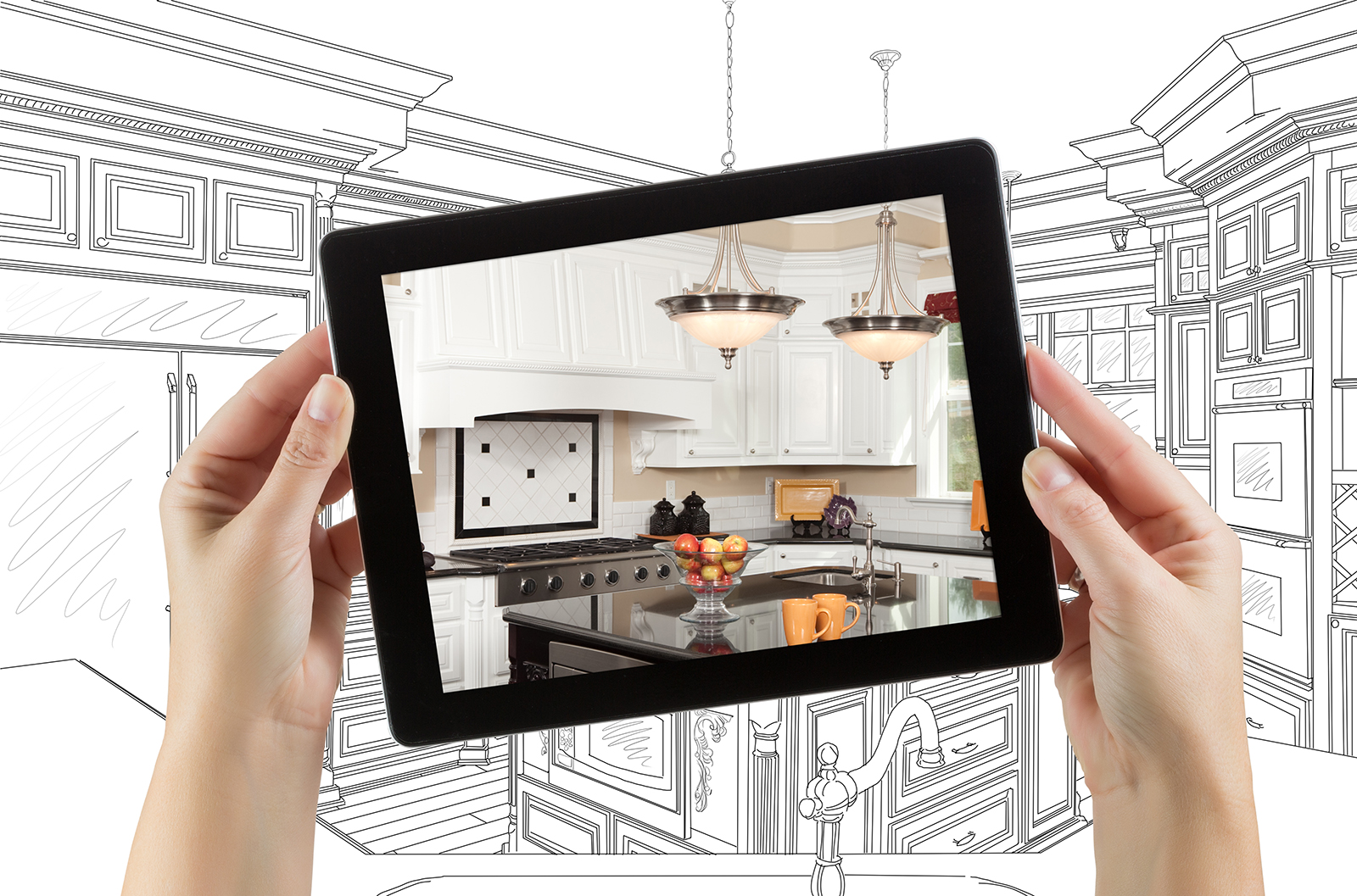 Photo: Shutterstock.com
The examples above represent only a tiny fraction of the widespread public confusion regarding the interior design profession. Many people still don't know exactly what an architect does, let alone an interior designer.
Many know that if they want a safe building, they will seek the services of an engineer, and if they want the building to look good, they will hire an architect. This flawed perception becomes an accepted reality when the public is not given the correct information. And that is just between interior design and architecture. Not to mention the tangled perceptions between interior design and interior decoration.
Actually, in short, interior design is a scientific discipline and a branch of fine arts that designs solutions through the aesthetic spatial arrangement within a building, thereby improving the quality of life for the users of that space.
This definition is reinforced by Suptandar (1995: 11), who states that interior design is the science or method of arranging a room to meet the requirements for achieving comfort, satisfying physical and spiritual needs, as well as ensuring safety for its users without ignoring aesthetic factors.
The term consists of two words: "interior" and "design". In the Kamus Besar Bahasa Indonesia (KBBI - Great Dictionary of the Indonesian Language), 'design' means a structural framework; a plan. Thus, designing is the act of creating a plan.
The word design itself originates from English. The definition of design in the Oxford Dictionary is a plan or drawing produced to show the look and function or workings of a building, garment, or other object before it is built or made.
It can be concluded that design is the activity of planning something before it is actually created, so that once it is built, it functions well and has an attractive appearance.
The History of Interior Design
Just like fine arts, the history of design also relies heavily on the relics and artifacts related to interior design. From the discovered artifacts, it is evident that every culture has a distinctly different pattern of interior design evolution.
Each civilization developed its architectural art, furniture styles, and room accessories based on the availability of materials in their respective geographical regions, or obtained through trade and the availability of cheap labor.
Egypt, Greece, and Rome reached a high level of civilization during the ancient era—a civilization characterized by the presence of elite groups, an abundance of cheap human resources, and religious traditions that encouraged artistic skills and the desire to achieve immortality through their buildings and earthly possessions.
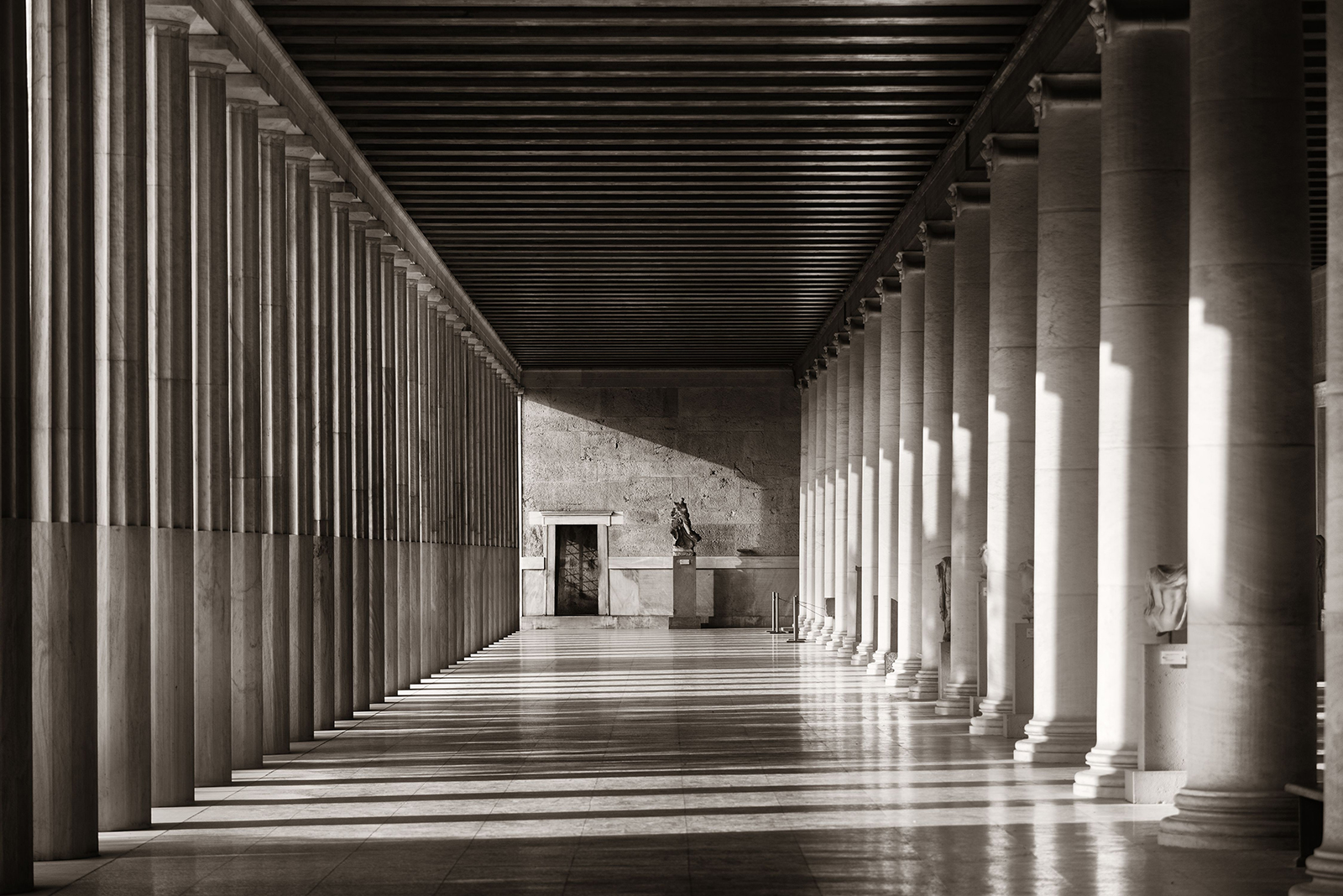 The building columns at the Stoa of Attalos archaeological museum in Greece
Photo: Shutterstock.com
Besides Egypt, Greece, and Rome, major developments in the history of interior design can be seen during the Italian Renaissance, when all artistic activities reached their peak of glory, supported by nobility and the wealthy who used their fortunes to back the development of the arts. In Italy at that time, there were two main social classes: the wealthy nobility and the poor peasant class.
The peasant class remained untouched by design developments, because beautiful and luxurious new designs were reserved exclusively for the wealthy. Up until that era, anything beautiful could only be owned by the nobility, far beyond the reach of the common people. The 17th and 18th centuries marked a significant period for interior design in Italy and France.
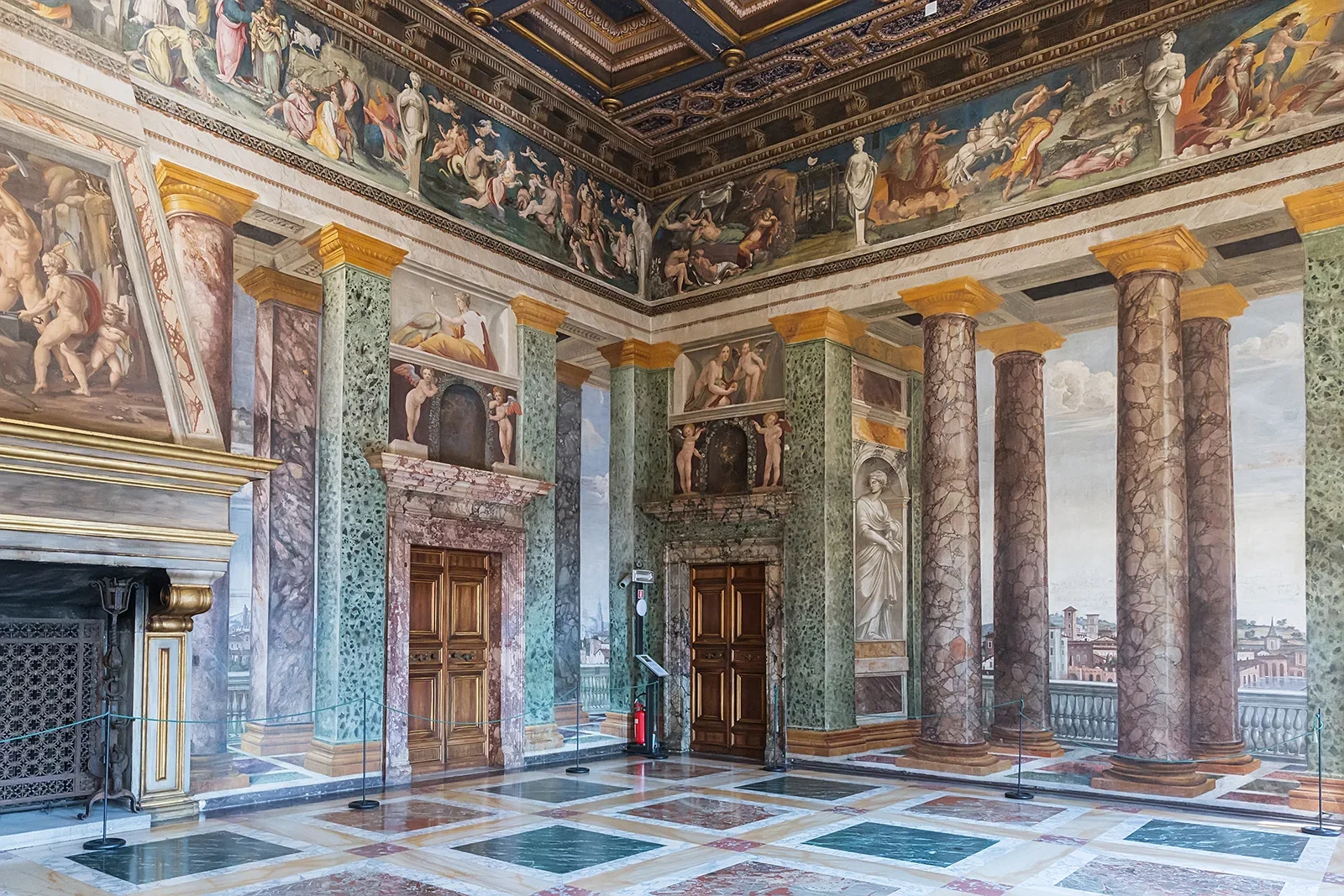 The interior of Villa Farnesina, an art museum in Rome, Italy. Built in the 1500s featuring Renaissance style.
Photo: Shutterstock.com
Interior design began to develop and became much more accessible to the general public following the Industrial Revolution. During that time, many household products were mass-produced at much cheaper prices, making them affordable for all walks of life.
This also spurred the Economic Revolution in America, which made the upper-middle class wealthy with disposable income, thereby sparking the need and desire to beautify their homes.

The cover of House Beautiful magazine in 1916
Foto: Amazon.com
It was also during this time that magazines discussing new interior design styles began to pop up, and a human need emerged to consult ideas regarding the arrangement of homes and furnishings. This significantly drove the growth of the interior design industry.
Thousands of people subsequently became professionals in designing homes and office buildings, alongside individuals who took up space planning as a hobby, giving free consultations or filling their free time by decorating their own homes.
The Scope of Interior Design
The duties and scope of work of an interior designer include designing furniture and other room accessories—not just selecting and matching them as an interior decorator would. Below is the scope of interior design work.
Designing the shape of furniture with considerations for ergonomics, function, style, finish durability, structural stability during use, choosing the right drawer runners, hinges, and handles, as well as determining material usage and spatial placement.
Determining the correct type and style of windows or other coverings based on light and sunlight control, privacy, fire resistance, acoustic properties, and their control systems.
Choosing the appropriate shape and method for placing art objects or decorations and ensuring that these objects will not fall or injure someone.
Selecting the right type of wall coverings based on aspects of beauty, durability, acoustic function, ease of cleaning, fire safety, and ensuring that the wall finishes used are non-allergenic and non-toxic.
Choosing suitable plant types and ensuring that the selected plants do not have a strong odor or toxic properties that could harm humans, especially children.
Drawing up floor plans and indicating furniture layouts that align with both the client's wishes and the space's accessibility requirements.
Selecting the type and shape of lighting based on the desired function and ambiance, illustrating and indicating the location of the lighting placement and its controls.
Determining the right material, shape, color, and floor pattern based on the desired function and ambiance. Functional elements that must be considered include fire resistance, sound-dampening capabilities, and safety (non-slip).

Today, interior designers can illustrate spatial layouts and their contents to clients through Virtual Reality simulation technology.
Photo: Shutterstock.com
The points above also deductively explain the function, purpose, and duties of interior design in general. However, to complete the literature on these objectives, here are the goals according to Wicaksono and Tisnawati (2014):
Improving function
Enriching aesthetic value
Elevating the psychological aspect of a room
As mentioned at the beginning, interior design encompasses the architectural field that covers the inside of a building. For example: Fixed, movable, or temporary decorative interior design.
Design work is divided into 3 groups, namely:
Fixed interior design
interior design planning starting from planning existing building floor plans, layouts, ceiling plans, sections, axonometrics, details, perspectives, scale models, animations, and other technical presentations.
Moveable interior design
micro-level interior design planning, such as furniture design, product design, interior landscape design, handicrafts, etc.
Decorative design
planning that is ornamental in nature, such as designing wedding party decorations, birthday party setups, etc.
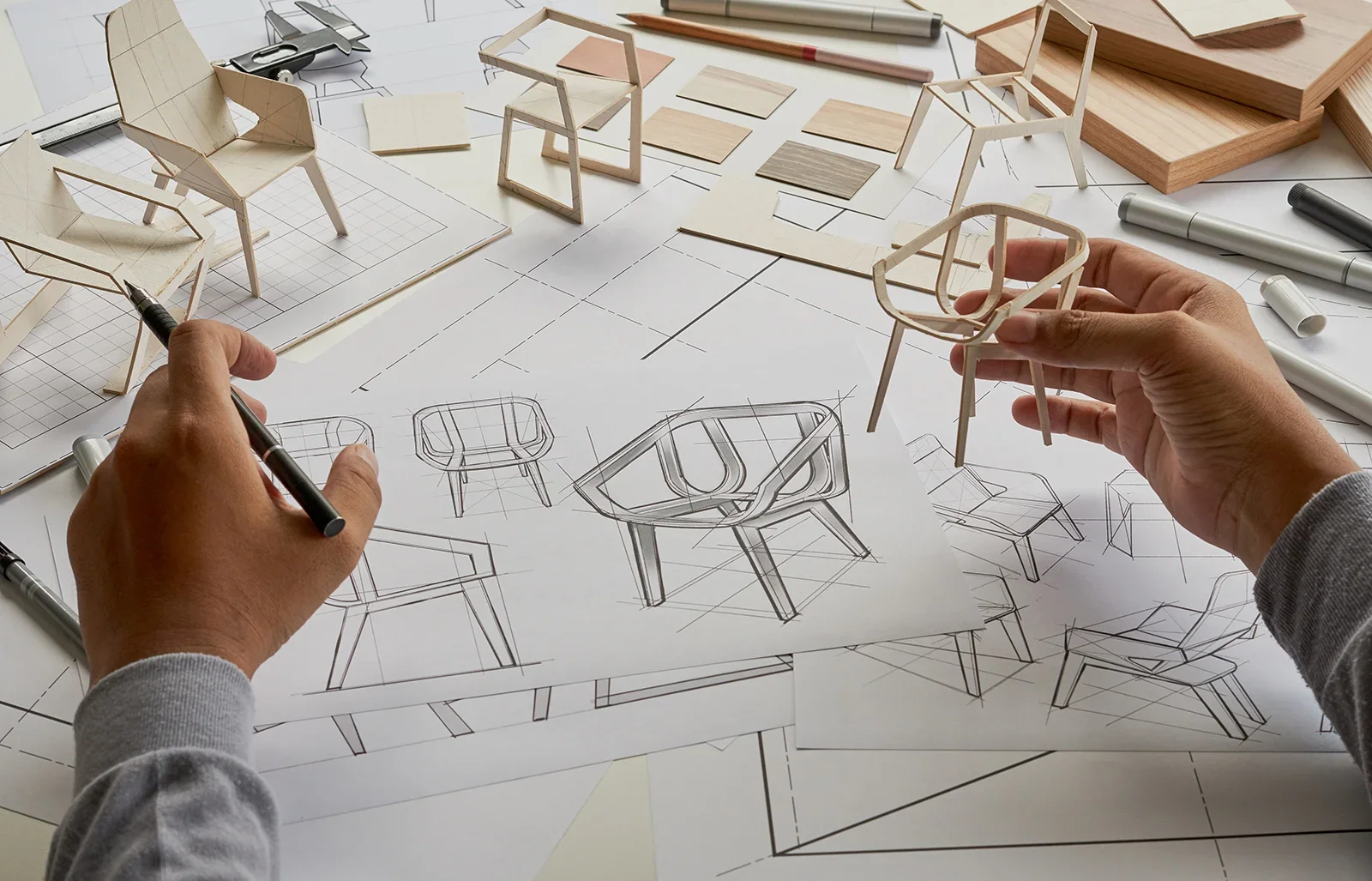 Furniture design, which is a part of movable interior design.
Photo: Shutterstock.com
To bring us to a deeper understanding, knowing the basic elements or building blocks of an interior is the primary thing one must grasp. Knowing the building blocks means also knowing what can be designed to create a good design.
Because interior design is a branch of fine arts, similar elements from fine arts can also be found, such as: lines, points, planes, textures, colors, space, etc. However, interior design has unique and specific elements that must be paid attention to during the design process.
Interior design elements
1. Floor
The floor is the lower boundary for the interior of a space. It stretches horizontally. Many treatments can be applied to the floor, ranging from: material types, floor level differences, and the application of shapes.
2. Wall
The wall is the interior element that partitions the interior space. Walls stretch vertically and are the most dominant plane within a building's space. Walls can be treated with various types of finishing materials, structural materials, lighting, etc.
3. Ceiling
The ceiling is the interior boundary that stretches horizontally across the top part of the interior. The ceiling can be modified starting from the use of material types, differences in height, and shape variants.
4. Aesthetic Elements
An interior must contain aesthetic elements that refer to design principles such as proportion, spatial scale, balance, and spatial unity. Whenever possible, an interior should be adorned with art objects holding aesthetic value to beautify it.
5. Opening Elements
What is meant by openings in spatial elements are windows, doors, and ventilation holes. With a well-designed opening, good air circulation will flow, making the room comfortable and healthy.
6. Light Elements
Interior spaces require lighting with sufficient intensity. Bright in some areas, or with controller options to dim them as well. The ambiance of a room will be shaped by the application of good lighting.
After knowing the elements, understanding the fundamental principles in creating interior elements will also heavily influence our creative breathing room in this field. Interior design principles follow general design principles such as: Unity, Balance, Contrast, etc.
Basic Principles of Interior Design
There are seven fundamental principles housed within interior design:
Unity and Harmony
This means a room is considered as a unified whole where all existing elements complement and connect with one another, producing a perfectly balanced composition.
Balance
Balance means not being "heavy" on one side. Not leaning too much to the right, left, top, and so on. Everything that is balanced will create unity and harmony. Balance is divided into 3, namely:
Symmetrical Balance: Symmetrical balance occurs when the visual weight of design elements is distributed evenly, both horizontally and vertically. This style relies on balance in the form of two similar elements from two different sides.
Asymmetrical Balance: Asymmetrical balance happens when the visual weight of design elements is uneven across the center axis. This style relies on visual play such as scale, contrast, and color to achieve an irregular yet harmonious balance.
Radial Balance: This is when all design elements are arranged and centered around a single focal point. For example: A spiral staircase.
Focal Point
The focal point here means the accent that becomes the main attraction of the room. There can be one or more. For example, the focal point in a room could be a massive window, a fireplace, or even a painting. The application of specific colors, details, and shapes can also serve as a focal point.
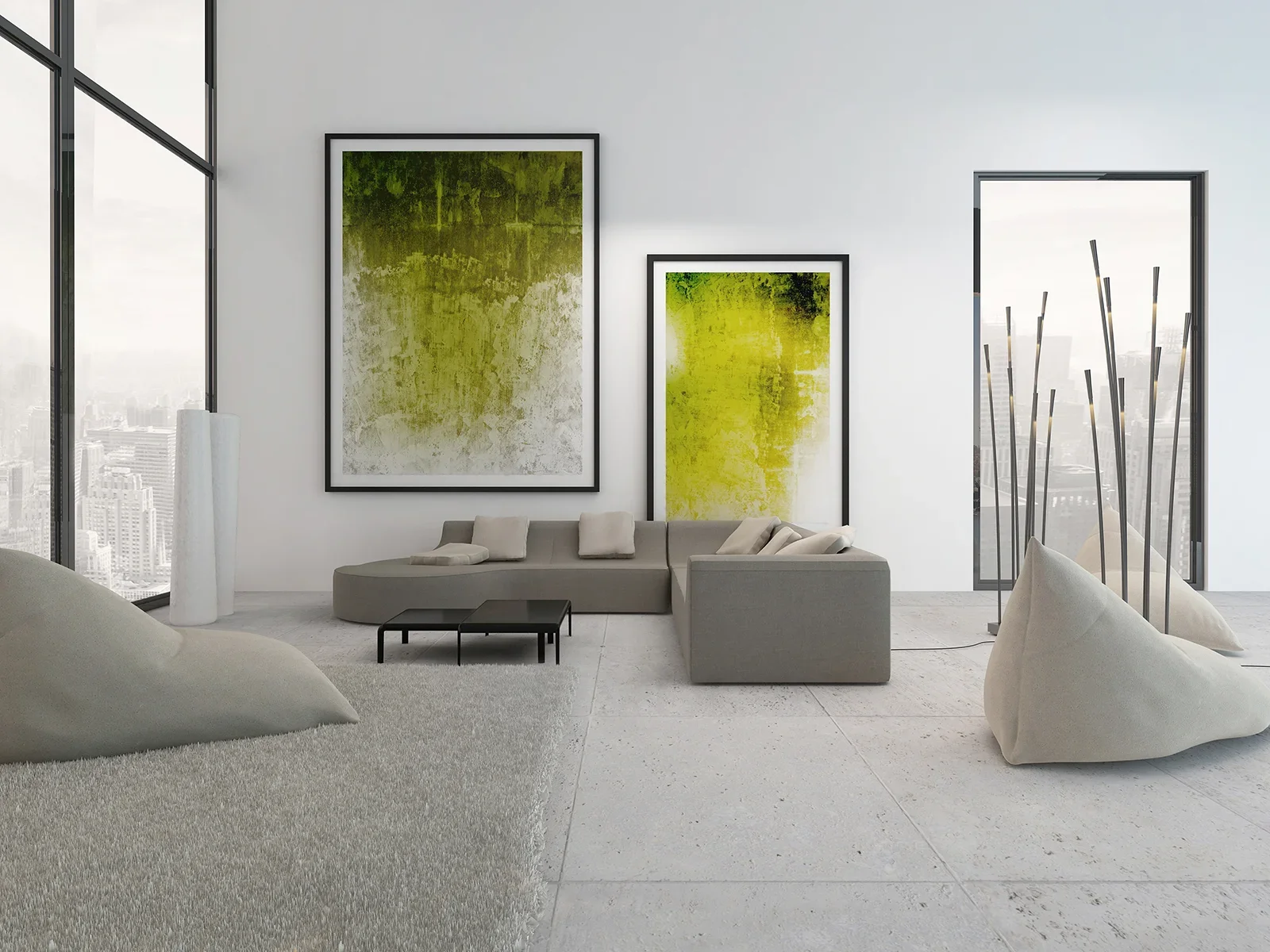 A painting with a contrasting statement color acts as a focal point in the interior.
Photo: Shutterstock.com
Rhythm
In interior design, rhythm is all about visual repetition patterns. Rhythm is defined as organized continuity or movement.
Detail
Detail in interior design covers all the accessories and fixtures present in the room. From the main furniture and secondary furniture to artificial pieces. These details also have a massive impact on the spatial atmosphere that is created.
Skala dan Proporsi
These two design principles walk hand-in-hand because both relate to size and shape. Scale and proportion here directly affect the comfort level of the users inhabiting the room.
Warna
So far, it's pretty clear, right, why interior design is so often linked with kitchen sets, curtains, sofa fabrics, or picking out flowers for the dining table? In truth, whether it's the kitchen set, curtains, sofa upholstery, or even the flowers on the dining table—they are indeed small fragments within the grand scope of interior design.
It's just that those things are merely small parts of a massive responsibility held by a profession dedicated to elevating human quality of life through spatial arrangement.
Interior decoration is generally related to the covering of interior elements—namely floor coverings, walls, and furnishings—as well as the arrangement of furniture along with its accessories. There are no government regulations governing the work of a decorator, and no formal educational requirements are needed; in fact, anyone with the talent and interest can teach themselves through magazines or other media to become an interior decorator.
Meanwhile, interior design has a much broader and more specialized field with far greater responsibilities, covering furniture design, selecting materials, determining construction, defining color schemes, and planning spatial layouts with considerations for accessibility and more—all of which are fundamentally based on functional, safety, comfort, and aesthetic considerations.
An interior designer must meet formal education requirements in their field and possess adequate design experience. In some developed countries, interior designers are even required to hold a certification obtained through exams held by an accrediting body, namely the NCIDQ (National Council for Interior Design Qualification).
To wrap up the differences between an interior designer and an interior decorator, perhaps this table created by Lisa Whited IIDA/ASID, illustrating the distinctions between the two, will further straighten out the mistaken perceptions held by most of the public all this time.
Aspect | Interior Designer | Interior Decorator |
Furniture | Designs the shape of the furniture with considerations for ergonomics, function, style, finish durability, structural stability during use, chooses the right drawer runners, hinges, and handles, and determines material usage and spatial placement. | Chooses the style, finishing, and its placement within the space. |
Window Covering | Determines the appropriate type and style based on light and sunlight control, privacy, fire resistance, acoustic properties, and control systems. | Chooses the color and texture, designs the style. |
Artwork and Accessories | Chooses the appropriate shape and method for placing art objects and ensures that these objects will not fall and injure someone. | Selects and places art objects and room accessories. |
Wall Finishes | Chooses the right type based on aspects of beauty, durability, acoustic function, ease of cleaning, fire safety, and ensures that the wall finishes used are non-allergenic and non-toxic. | Chooses the color, style, and texture of the finishing. |
Plants | Selects suitable plant types and ensures that the chosen plants do not have a strong odor or toxic properties that could harm humans, especially young children. | Selects and places the plants along with their containers. |
Floor Plan | Draws up a floor plan showing a furniture layout that aligns with both the client's wishes and the space's accessibility requirements. | Draws up a floor plan showing a furniture layout that aligns with the client's wishes. |
Lighting | Chooses the type and shape of lighting along with its intensity according to the desired function and ambiance, illustrates and indicates the location of the lighting placement along with its controls. | Chooses the shape of the lamp. |
Floor | Determines the appropriate material, shape, color, and floor pattern based on the desired function and ambiance, fire resistance, sound-dampening capabilities, and safety (non-slip). | Chooses the type, color, texture, and pattern of the floor. |
Table: Comparison of the scope of duties between an interior designer and an interior decorator. Source: http://allartschools.com.